Wool Bedding • Care Guide
Washable Wool Comforters: What Care Labels Really Mean
A wool comforter can be washable, spot-clean-only, or best left to a professional cleaner. The fiber name alone does not settle the question. Construction, wool treatment, stitching, and the maker’s instructions all matter—and a care label applies to a particular product, not necessarily every item sold under the same brand.
Wool has a reputation for being both practical and delicate. It can help manage warmth and moisture, yet it can also shrink, felt, or lose its shape when exposed to unsuitable combinations of water, heat, and movement. This apparent contradiction is why “wool comforter” is not a complete care instruction. To understand what washable really means, look beyond the fiber and read the product’s specific care guide.
The distinction matters in the laundry room. A comforter is a layered object: wool fill sits inside a fabric shell, and quilting or tufting holds the layers in place. Some wool batting is treated to withstand machine washing; some is not. Some comforters are built to tolerate a gentle cycle, while others may be damaged by agitation even if their outer cotton fabric seems sturdy. Washing the wrong one can cause a costly problem that no detergent can solve.
“Washable” is a product claim, not a wool-wide promise
Wool is a natural fiber, but comforters are manufactured textiles, not raw fleece. The behavior of a finished comforter depends on how the wool was processed, how the batting was stabilized, what fabric surrounds it, and how those components are joined. A washable label generally means a specific item has been designed or treated for the care method its manufacturer describes. It does not mean every wool-filled comforter can go into any washing machine.
Even within one brand, care instructions may differ. One model might contain washable wool and have a shell and construction intended for laundering. Another may use untreated or less washable batting, or be assembled in a way that makes agitation risky. The name on the label tells you who made the comforter; the model-specific care instructions tell you what to do with it.
Care language can also be narrower than it first sounds. “Machine washable” may refer to cold water, a delicate or wool cycle, a front-loading machine, little or no agitation, and air drying. It does not automatically authorize a hot wash, a vigorous spin, bleach, or a crowded household machine. A washable comforter is washable under defined conditions—not indestructible.
Why wool can felt, shrink, or shift
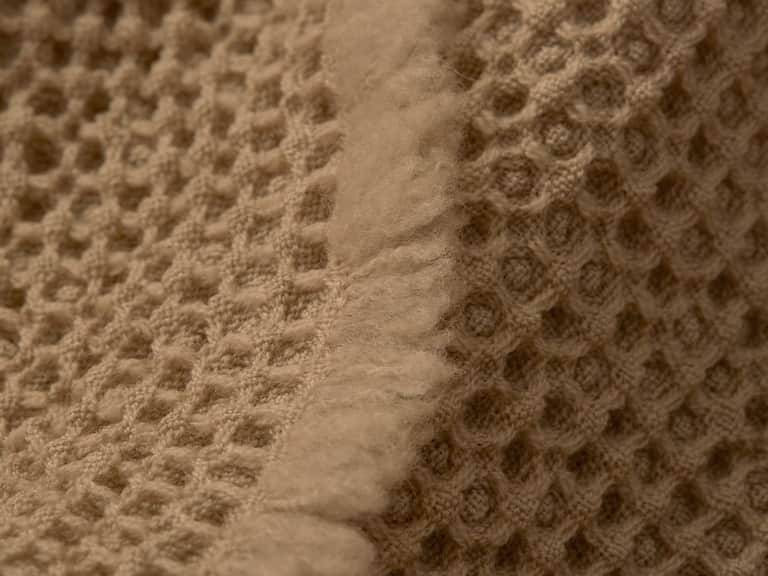
Wool fibers have a scaly surface. Under the wrong conditions, moisture, warmth, and friction can encourage fibers to interlock. The resulting felting can make the material denser and smaller, and the change may be irreversible. A comforter can also develop uneven patches if its fill shifts, clumps, or separates inside the shell.
These risks are affected by several variables working together. Hot water is not the only concern, and cold water alone is no guarantee of safety. A long, agitated cycle can put stress on wool even at a low temperature. A powerful spin may twist or compress a bulky comforter. Drying with excessive heat can further shrink or distort the textile, while leaving it damp for too long can create an unpleasant, persistent moisture problem.
Construction is part of the answer. Quilting creates stitched compartments that help keep batting distributed; other designs may rely on different forms of stitching or tufting. That does not make a quilted comforter automatically machine washable, but it can help explain why two pieces with similar fiber content have different instructions. The care guide reflects the complete article—the fill, shell, seams, and finish—not simply the wool content.
What “super-washed” or washable wool may indicate
Some wool products use fiber treatments intended to improve washability. The term “super-washed” is often used for wool processed to reduce its tendency to felt during laundering. The exact process and performance can vary, so the phrase should not replace the manufacturer’s directions. It is a clue about the material, not permission to improvise.
Likewise, a comforter described as filled with washable wool may be designed for machine care, but its shell and construction still impose limits. A product could require cold water, gentle handling, and careful drying. Before washing, check whether the instructions specify a front-loading washer, prohibit spinning, or recommend laying the comforter flat. Each detail addresses a practical risk: heavy wet bedding can strain a machine, while rough handling can disturb the fill.
When product terminology and care instructions seem to conflict, follow the model-specific guide and ask the manufacturer or retailer for clarification before proceeding. Do not rely on a general article, a care label from a different model, or the assumption that all wool behaves alike.
Two examples: Sleep and Beyond and Suite Sleep
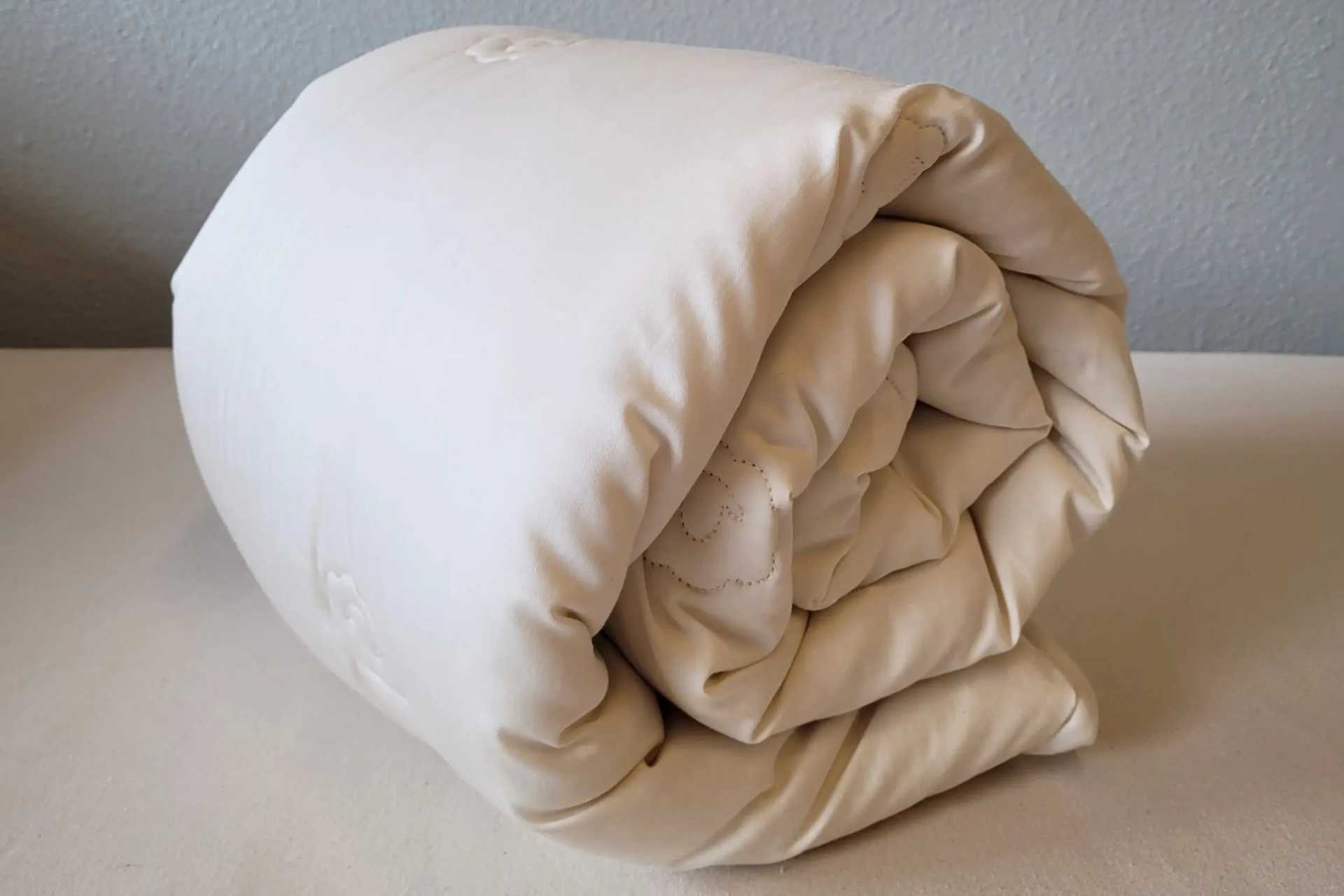
The care instructions for Sleep and Beyond’s myComforter Light illustrate why “washable” needs context. The product information recommends protecting the comforter with a duvet cover and avoiding frequent washing, because the batting can separate inside the quilted pockets. It allows machine washing in cool or warm water on a wool or delicate cycle without agitation, advises against spinning, and describes air drying or low-heat tumble drying. The instructions also distinguish ordinary care—airing and spot cleaning—from major staining, for which limited-moisture eco-friendly dry cleaning is recommended.
This is not a blanket endorsement of machine washing all Sleep and Beyond comforters. The advice applies to the myComforter Light described in that product’s care information. The same brand may offer other comforters with different fills or construction, and their care requirements may differ. Check the tag and current model guide rather than transferring instructions from one item to another.
Suite Sleep’s washable wool comforter is another example of a model designed for a defined wash routine. Its product directions specify a gentle cycle in a front-loading washer, followed by air drying in the sun or low-heat tumble drying until almost dry. They then recommend finishing the drying process flat to help prevent clumping and felting. The product information also advises using a duvet cover and washing only when necessary.
The differences between these instructions are useful, not confusing. One maker may specify a no-spin approach; another may provide a particular drying sequence. They are describing different products. A shopper comparing washable wool comforters should compare the full care guides, not simply count how many listings use the word “washable.”
How to read a wool comforter care label
Before washing, identify the exact model and read both the sewn-in label and any product-specific care guide. Look for the permitted water temperature, cycle, agitation level, machine type, spin instructions, detergent guidance, and drying method. If the label is missing or unclear, contact the manufacturer rather than guessing.
- Water temperature: Follow the stated limit. “Cool,” “cold,” and “warm” are not interchangeable when the care guide specifies one.
- Cycle and agitation: A gentle or wool cycle may still involve movement. If the directions say no agitation, do not substitute a standard delicate cycle without checking.
- Machine type and capacity: A comforter needs room to move without being compressed. A small or top-loading machine with a central agitator may be unsuitable; follow the instructions for the specific item.
- Spin: A high-speed spin can place considerable strain on wet bedding. Respect any warning to omit spinning or use a particular setting.
- Detergent: Use only the detergent type recommended by the manufacturer. Avoid bleach and unapproved additives, which can harm fibers or finishes.
- Drying: The comforter must dry thoroughly, but high heat may damage it. Follow instructions about air drying, flat drying, or low tumble heat.
Care labels use compact symbols and short phrases, but a bulky comforter presents practical challenges that a small garment does not. It can become extremely heavy when wet, hold moisture in its fill, and dry unevenly if bunched. Make sure the machine can accommodate it and that you can handle the drying process safely. If the instructions require a large-capacity front loader and one is not available, a professional cleaner or laundry service may be the safer choice—provided that service can follow the product’s stated method.
A careful washing routine, when the label permits it
Preparation begins before water touches the comforter. Remove the duvet cover, inspect the shell for open seams or weak spots, and treat small marks only as the manufacturer allows. A tear can widen in the wash, and a spot treatment that is harmless to cotton may not be suitable for wool. If the comforter is oversized, visibly damaged, or difficult to maneuver, do not force it into a machine that cannot hold it comfortably.
Use the temperature and cycle stated in the care guide. Add the recommended amount of suitable detergent and avoid loading the washer with unrelated items that could snag or add friction. Do not assume that a laundry product marketed as gentle is automatically appropriate for wool. When the manufacturer specifies a wool-safe detergent, follow that direction.
Once the cycle ends, support the comforter evenly as you remove it. Wet wool batting is heavier than dry batting, and pulling from one corner can strain seams or encourage the fill to shift. Move it promptly to the approved drying method. Spread or lay it in the shape described in the instructions, and turn or reposition it if the guide recommends doing so. Check that the center and stitched areas are dry before making the bed or storing it.
Do not speed up drying with a radiator, direct high heat, or an improvised hot-air source. If a comforter remains damp, give it more time in an appropriate, well-ventilated place. Thorough drying matters: residual moisture trapped in a thick layer can lead to odor and may compromise the textile’s freshness.
Spot cleaning and airing can reduce full washes
For many wool comforters, the best care routine is one that avoids unnecessary laundering. A duvet cover forms a removable protective layer and can be washed according to its own care label. Regular airing can freshen bedding without immersing the fill, while prompt attention to a small spill may prevent a larger cleaning job.
Spot cleaning should remain local and gentle. Use only a method approved for the particular comforter, apply as little moisture as practical, and avoid rubbing aggressively. Blotting is often less disruptive than scrubbing, but the manufacturer’s directions take priority. Allow the area to dry completely before covering the comforter again.
Airing is not the same as washing, and it is not a substitute for addressing a significant stain. Follow the maker’s advice about sunlight and exposure. Some product guides recommend airing outdoors; others caution against direct heat or sunlight. Avoid leaving bedding where weather, damp ground, dust, or pests can undo the benefit.
When dry cleaning or professional care makes sense
“Do not wash” does not mean a comforter is impossible to maintain. It means home laundering is not the care method the manufacturer recommends. A product may call for spot cleaning, airing, or professional cleaning, depending on its construction and materials. Follow the actual guide rather than treating dry cleaning as a universal solution: some wool comforters may not be suited to every solvent-based process or cleaning cycle.
For a large stain, an odor that does not clear with airing, or a comforter whose instructions are uncertain, ask the maker what kind of professional service is appropriate. Share the product name and the specific care wording. A cleaner needs to know that the item contains wool batting and may have limits on moisture, agitation, or heat. If the care guide recommends limited-moisture cleaning, make that requirement explicit before leaving the comforter.
Common mistakes to avoid
- Assuming every wool item is the same: A woven blanket, a quilted comforter, and a wool pillow have different structures and may need different care.
- Borrowing instructions across models: A washable wool comforter does not establish that another model from the same maker is washable.
- Using heat to solve a dampness problem: High heat can damage or shrink wool. Follow the specified drying method instead.
- Overloading the washer: A comforter needs adequate space and support. If it cannot move as directed, use a suitable larger machine or ask about professional care.
- Washing too often: Protective covers and spot cleaning can reduce wear from repeated laundering. Wash only as needed and as the product guide allows.
- Putting it away before it is dry: Trapped moisture can cause persistent odor. Confirm that the entire comforter, including the center, is fully dry.
The bottom line: let the model guide the method
Wool can be a useful bedding fiber, but “natural” does not mean immune to damage, and “washable” does not mean care-free. The most reliable answer comes from the care instructions for the exact comforter in your hands. Wool treatment may influence washability; quilting and other construction details affect how the fill behaves; and temperature, agitation, spinning, and drying determine whether a permitted wash is handled safely.
For Sleep and Beyond’s myComforter Light, the listed guidance includes gentle washing without agitation and no spinning, alongside routine airing and spot cleaning. Suite Sleep’s washable wool comforter has its own process, including a front-loading machine, gentle cycle, and a particular drying sequence. These examples show why brand-level assumptions can mislead: care is model-specific.
Read the tag. Confirm the model. Follow every condition—not just the word “washable.” When the instructions are incomplete or the comforter is too bulky to handle safely, pause and ask the manufacturer or a qualified cleaner. A few minutes of checking can protect the loft, shape, and useful life of a wool comforter far better than an unplanned trip through the laundry.
Frequently asked questions
Can I machine-wash any wool comforter?
No. Machine washing is appropriate only when the product’s own care instructions allow it and you can meet the stated conditions. Wool content alone does not determine washability.
Does “washable wool” mean hot water is safe?
No. Use the exact temperature specified by the manufacturer. Washability does not remove the risk of felting, shrinkage, or damage from heat and agitation.
Why do some washable comforters say not to spin?
Spinning can twist or compress a heavy, wet comforter and may disturb the fill or stress its seams. If the guide says not to spin, follow that instruction rather than choosing a faster cycle.
How often should a wool comforter be washed?
There is no universal schedule. Use a duvet cover, air the comforter as its care guide allows, and spot clean small marks when appropriate. Wash only when needed and only by the approved method.
What if the care label is missing?
Do not guess based on the brand or on another wool product. Identify the exact model and contact the manufacturer or retailer for its current care instructions before washing.