Choosing the Right Wool Blanket: Brand-backed Guidance for Consumers
A practical buying guide that compares popular wool blanket options from trusted brands. Learn how fiber content, weave, and care instructions influence warmth, durability, and long-term satisfaction.
In an era when home textiles blend heritage with modern demand for practicality, wool blankets remain a benchmark for warmth, durability, and climate-adaptive comfort. The wool blanket is not merely a layer of insulation; it is a conduit for sleep health, room ambiance, and even a tactile reminder of craft. For the consumer navigating a crowded market, core questions endure: What fiber blends deliver the best warmth without sacrificing breathability? How does weave weight translate to daily use? Which brands uphold transparent sourcing and responsible manufacturing? This guide distills those questions into a practical framework, illustrated with real-product examples from brands recognized for their commitment to quality and ethical practices.
The focus here centers on six brand-backed offerings—Naturepedic, Healthy Choice, Sleep and Beyond, Obasan, Suite Sleep, and Coyuchi—each bringing a distinct philosophy to wool and blends. While beauty and texture matter, the true test of a blanket is its performance across seasons, care routines, and lifespans. Readers will discover how to match a blanket to climate, bed setup, and lifestyle, with clear takeaways for care, maintenance, and long-term satisfaction.
1) Fiber biology: organic wool, merino, lambswool, and blends
Wool’s appeal rests on its natural properties: temperature regulation, moisture management, elasticity, and resilience. The fiber type—whether organic wool, merino, or lambswool—shapes warmth, feel, and care demands. Merino, for example, is renowned for a fine, soft handle and excellent warmth-to-weight ratio, making it a favored choice for lighter-weight blankets intended for year-round use. Lambswool offers a plush, cozy hand with substantial loft, while robust, longer-staple wools can contribute to more durable fabrics with a distinctive texture.
Brand narratives often pair wool with complementary fibers to balance performance. Blends such as 70% organic cotton and 30% organic wool fuse the breathable softness of cotton with the insulating warmth of wool, yielding a washable, versatile blanket suited for real-world daily use. The genetic and agricultural provenance—organic certification, animal welfare standards, and fiber-tracing—becomes part of the broader value proposition. When evaluating a blanket, consider not only the warmth but also breathability, odor retention, and how the fiber responds to washing and regular wear.
2) Weave, weight, and finish: mapping warmth to application
Weave structure and weight are the mechanical language of a wool blanket. Common constructions include plain weave, waffle, honeycomb, and textured jacquard patterns. A heavier weave with denser piling increases warmth and wind resistance, while lighter constructions favor breathability and drape. In practice, a 335 g/m2 Sequoia-style blanket—a washable blend of 70% organic cotton and 30% organic wool woven in Germany—offers a balance of soft cotton hand and wool warmth, paired with easy care. The finish, including brushing, double-needle stitching, and edge treatment, preserves loft and ensures durability through repeated laundering.
Understanding weight in context is essential. A blanket that feels substantial in hand may still be comfortable in a layered bed setup if it balances warmth with moisture management. Readers should assess intended seasonality, bedding layers, and room climate. For a warm bedroom in cooler months, a medium-weight wool blanket combined with layered bedding can yield a comforting thermal regime. For milder climates or summer use, a lighter wool or a breathable cotton-wool blend can provide just enough insulation without overheating.
3) Brand ethics and sourcing: trust as a buying criterion
Brand ethics matter not only for the environmental footprint but also for the quality of the product and the confidence a consumer can place in ongoing support and care guidance. Coyuchi, Sleep and Beyond, Naturepedic, Obasan, Healthy Choice, and Coyuchi each foreground responsibility—whether through GOTS certification, Fair Trade manufacturing, or country-specific weaving and finishing standards. A blanket’s journey—from fiber farm to loom to washing and packaging—speaks to durability, ecological impact, and transparency. Consumers increasingly expect verifiable certifications, traceability, and adherence to safety standards that align with modern home-living values.
Consider the practical implications of ethics: certified organic fibers reduce exposure to synthetic chemicals, while responsible dyeing and processing practices minimize environmental impact. Additionally, ethical production often correlates with robust product support, warranty coverage, and clearer care guidelines, which collectively extend a blanket’s usable life and your satisfaction with the purchase.
4) Care and maintenance: care guides that preserve loft and color
Maintenance is the invisible lifeline of a wool blanket’s long-term performance. Some blankets are designed to be machine washable, a practical feature for households with children, pets, or high-traffic spaces. The Sequoia-style blankets, for instance, are described as machine washable, balancing wool warmth with ease of care. Others, such as premium cashmere or merino blankets, may advise dry cleaning to preserve texture and color over time. Always consult brand-specific care instructions, as heat, agitation, and moisture can alter fiber integrity and loft.
Common care strategies include using a gentle cycle and cold-to-warm water, a protective duvet cover to reduce wear and staining, and air-drying to maintain fiber resilience. Sunning and occasional gentle brushing can refresh the loft in some wool fabrics, while avoiding harsh detergents preserves fiber integrity. When in doubt, test on a small swatch before laundering an entire blanket.
5) Quick-reference buying guide: matching blankets to needs
- Climate and seasonality: For cold northern climates, choose medium-to-heavy weight blankets with a plush hand (merino or lambswool blends with a higher loft). For warm or transitional climates, prefer lighter weights and breathable blends such as cotton-wool seamed fabrics.
- Bed setup: If layering a duvet or comforter, a lighter wool blanket provides warmth without bulk. For sleepers who want a single blanket year-round, a versatile mid-weight option with cotton-wool blend offers a balanced solution.
- Care practicality: If you need machine-washable functionality, look for blends explicitly marketed as washable wool with clear care instructions. For premium pure wool or cashmere items, prepare for dry cleaning or specialized care.
- Certifications and ethics: Look for GOTS, Fair Trade, and other recognized standards. These signals typically accompany robust product documentation, accurate fiber sourcing, and transparent brand history.
- Longevity and warranty: A blanket with a clear warranty and durable edge finishing—such as reinforced hems or double-needle stitching—tends to deliver lasting satisfaction.
6) Product highlights: representative examples from leading brands
The following product notes reflect real-market items with publicly stated specifications. While not every line item is a blanket from a single brand, these examples illustrate how brands articulate fiber content, weave, care, and origin, offering a practical snapshot for consumers.
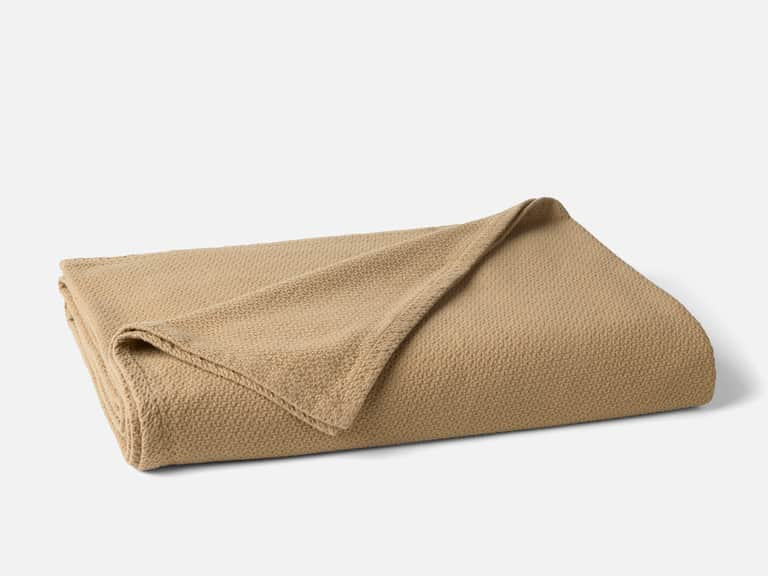
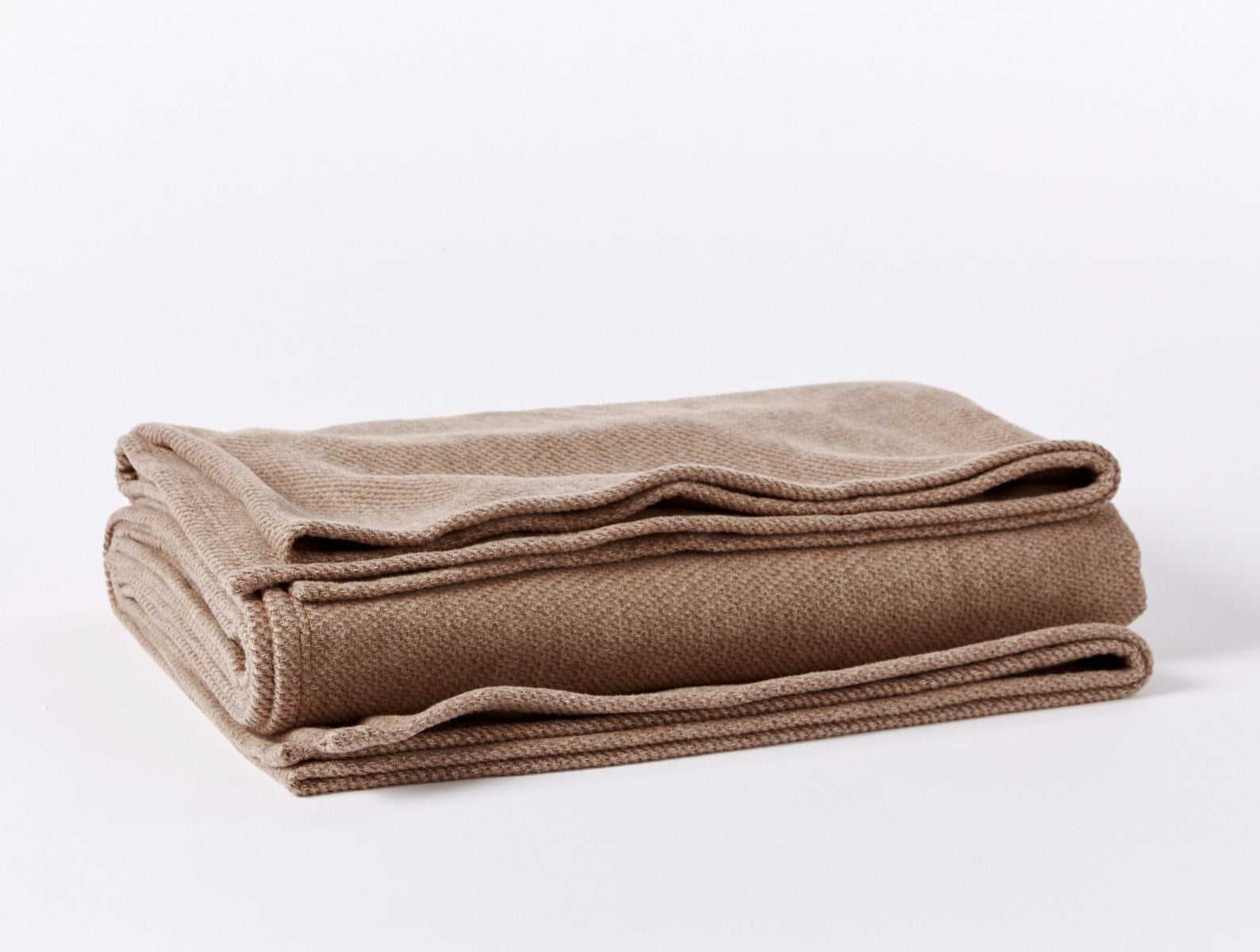
- Sequoia Washable Organic Cotton and Wool Blanket — A machine washable blanket woven in Germany from a 70/30 organic cotton-wool blend, offering soft texture, warmth, and easy care. Weight is described at 335 g/m2, with a double-needle edge and brushed finish. Brand: Coyuchi. Link: Sequoia Washable Organic Cotton and Wool Blanket.
- Classic Organic Blanket — 100% organic cotton in a honeycomb weave with a 0.75 inch mitered hem, produced in India and certified by GOTS; Fair Trade Certified facility. Link: Classic Organic Blanket.
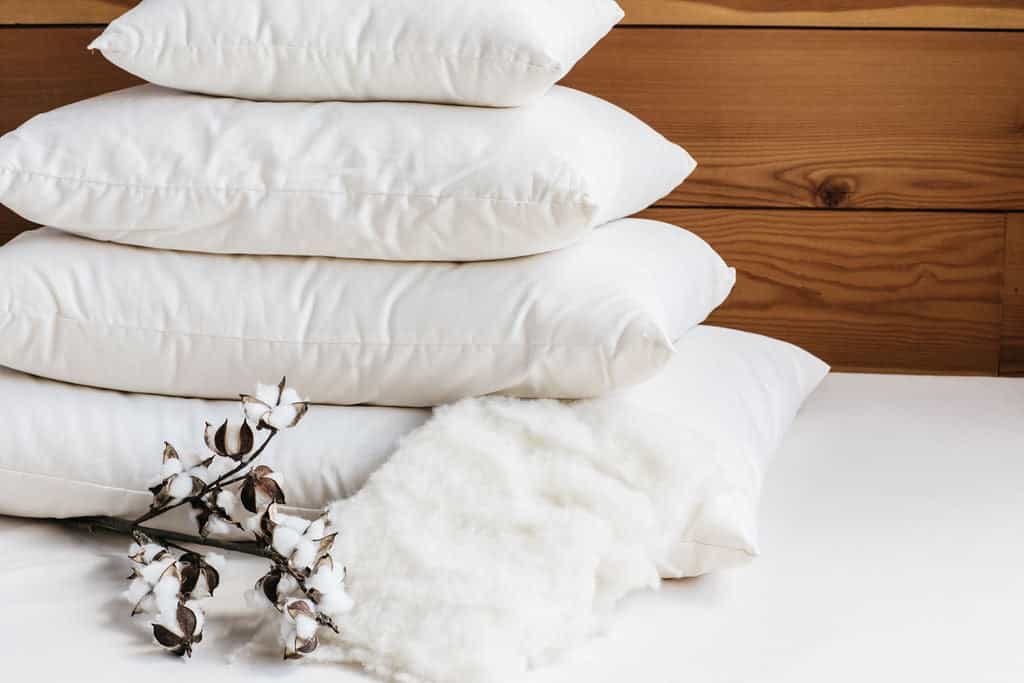
- Certified Organic Wool Bed Pillows — While technically pillows, these exemplify the brand-led emphasis on organic wool and cotton sateen construction, showcasing how brands present fiber purity and care in product pages. Link: Certified Organic Wool Bed Pillows.
- Other illustrative examples — Brand pages commonly feature additional blankets with blends (e.g., organic cotton-wool, pure wool), finishes (double-needle edges, brushed textures), and care guidance (machine wash vs. dry clean). Readers are encouraged to explore brand catalogs for the latest iterations that align with the guide’s criteria.
7) Quick-start checklist for your wool blanket purchase
- Define climate needs: year-round vs. seasonal use guides your weight choice.
- Assess fiber preference: organic wool vs. wool blends, and consider merino for softness.
- Prioritize weave and finish: plain vs. textured weaves, brushed loft, and edge stitching.
- Check care instructions: machine washable vs. dry clean only, and long-term maintenance.
- Review certifications and ethics: look for GOTS, Fair Trade, and transparent sourcing.
- Evaluate warranty and brand support: durability, replacement policies, and care resources.
Conclusion: a thoughtful approach to wool blanket selection
Beyond the tactile appeal of wool, the thoughtful buyer considers fiber origin, weave, care, and ethics as pillars of value. The market presents a spectrum of options—from machine-washable cotton-wool blends to premium pure wool throws and cashmere blends—each with distinct strengths. This guide emphasizes a measured, brand-aware approach: read the fiber and weave descriptions, examine care guidelines, verify certifications, and align those facts with your daily life and home climate. In doing so, you don’t just buy a blanket; you invest in a durable layer of warmth that sustains comfort across seasons and through the rhythms of daily living.
As the industry continues to evolve, informed consumers help empower responsible production and elevate the standard of home textiles. Wool blankets, with their centuries-long lineage and modern innovations, stand as a compelling case study in the fusion of craft, science, and daily ritual—a durable thread through the fabric of contemporary living.
Published date: September 30, 2026